Loading...

Emergency Elderly Care: Essential Tips & Solutions

Essential Tips for Emergency Elderly Care

# Essential Tips for Emergency Elderly Care

When it comes to caring for the elderly, emergencies can arise at any moment. Whether you're a caregiver, a family member, or a concerned friend, knowing how to provide immediate assistance is crucial. In this article, we'll explore essential tips for emergency elderly care, ensuring that you are prepared to handle any situation with confidence and compassion.
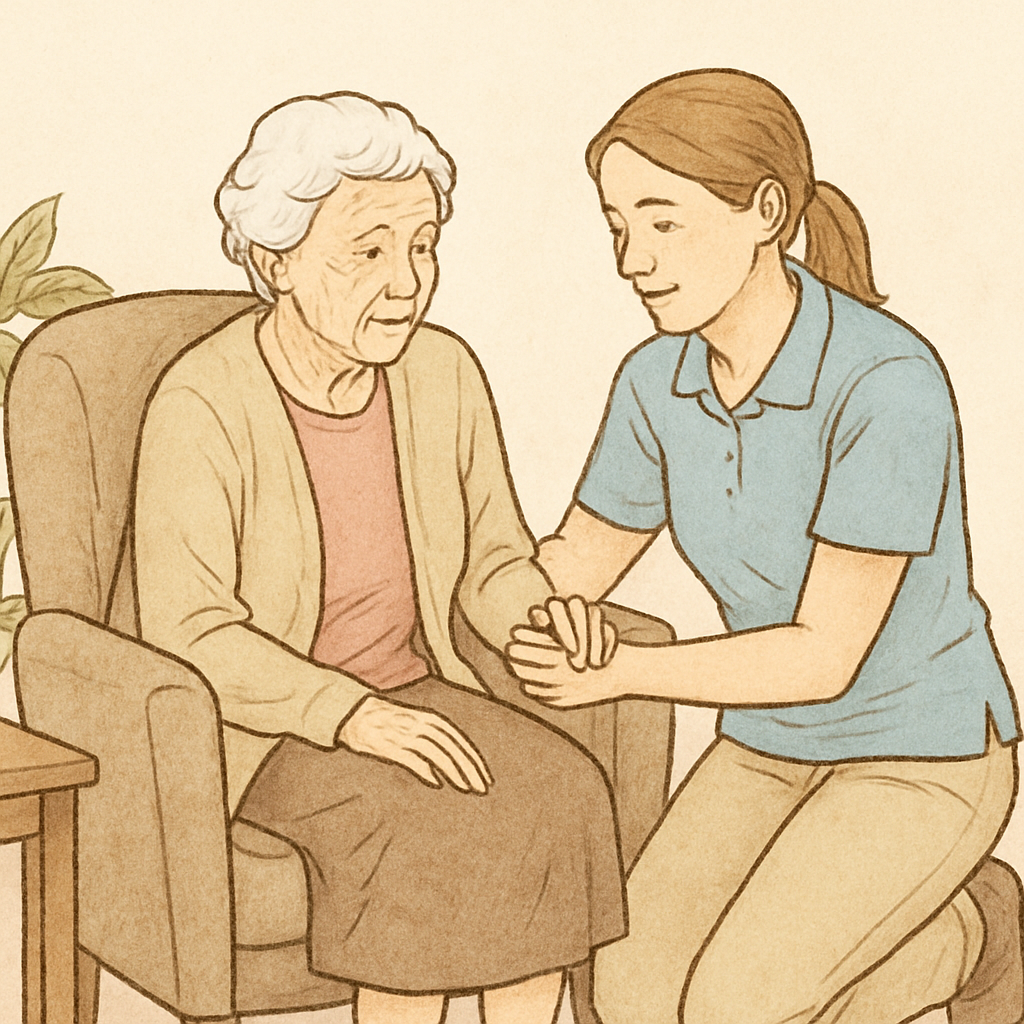
Emergency Elderly Care: Essential Tips & Solutions

Understanding the Importance of Emergency Elderly Care

Emergency elderly care is a critical aspect of ensuring the health and safety of senior citizens. As people age, they may face various health challenges, making them more vulnerable to emergencies. From sudden falls to unexpected medical conditions, having a plan in place can make all the difference.

Recognizing Common Emergencies

Understanding the types of emergencies that commonly affect the elderly can help you prepare effectively. Some of the most frequent emergencies include:

  1. Falls: Due to decreased mobility and balance, falls are a leading cause of injury among the elderly.
  2. Heart Attacks or Strokes: These medical emergencies require immediate attention and swift action.
  3. Medication Mistakes: Mismanagement of medication can lead to serious health complications.
  4. Choking or Breathing Difficulties: Quick response is necessary to prevent fatal outcomes.
Emergency Elderly Care: Essential Tips & Solutions

Creating a Safe Environment

One of the best ways to prevent emergencies is by creating a safe environment for the elderly. Here are some tips to help you do just that:

Remove Hazards

  1. Clear Pathways: Ensure all walkways are free from clutter and obstacles that could cause tripping.
  2. Install Grab Bars: In bathrooms and along staircases, grab bars can provide essential support.
  3. Ensure Good Lighting: Proper lighting reduces the risk of falls, especially in hallways and staircases.

Home Care Services

Consider engaging free home care services or emergency home care services to provide professional assistance and peace of mind. These services often include:

  1. Personal Care Assistance: Helping with daily activities such as bathing, dressing, and eating.
  2. Medical Support: Monitoring health and administering medications.
  3. Companionship: Providing social interaction and emotional support.

Developing an Emergency Plan

Having an emergency plan in place is vital for quick and effective response during a crisis.

Establishing a Communication Protocol

  1. Emergency Contacts: Keep a list of emergency contacts easily accessible. Include doctors, family members, and local emergency services.
  2. Medical Information: Have a summary of the elderly person's medical history, current medications, and any allergies.

Training and Resources

  1. First Aid Training: Consider taking a first aid course to equip yourself with life-saving skills.
  2. Emergency Kits: Prepare a kit with basic first aid supplies, medications, and essential documents.
Emergency Elderly Care: Essential Tips & Solutions

By following these essential tips, you'll be better equipped to handle emergencies with confidence and compassion, ensuring that our seniors receive the care they deserve.

by Age Cymru (https://unsplash.com/@agecymru)

Leveraging Community Resources

Building a supportive community for the elderly can greatly enhance emergency preparedness.

Local Support Groups

  1. Senior Centers: Many communities have centers offering social activities and resources for the elderly.
  2. Volunteer Programs: Engage with programs that provide emergency placement for elderly individuals when needed.

Technology Solutions

  1. Medical Alert Systems: Devices like bracelets or pendants can notify emergency services at the press of a button.
  2. Smart Home Devices: Consider installing devices that can assist with daily activities and monitor health.

Providing Emotional and Psychological Support

During emergencies, providing emotional support is just as important as physical care.

Listening and Reassurance

  1. Active Listening: Show empathy and understanding by listening to the elderly person's concerns.
  2. Stay Calm: Your calm demeanor can help reassure them during a stressful situation.

Encouraging Independence

Whenever possible, encourage the elderly to participate in their own care decisions. This fosters a sense of control and dignity.

Conclusion

Emergency elderly care is a vital aspect of ensuring the well-being of our aging population. By understanding common emergencies, creating a safe environment, developing an emergency plan, and leveraging community resources, you can provide effective care and support. Remember, being prepared can save lives and bring peace of mind to both caregivers and the elderly.

How InclusiveOne Helps with Senior Care


Give Your Loved One the Care They Deserve — At Home, Where They Belong!


Every senior deserves to age with dignity, comfort, and independence. At InclusiveOne , we provide compassionate, personalized home care that supports your loved one’s daily needs — and their emotional well-being. Whether it's help around the house, medication reminders, or simply a friendly companion, we're here to help.


Whatever your situation is we are here to help. Let’s create a care plan that fits their life — not the other way around.


  • We offer free in person and virtual (phone or zoom) consultation to ease the transition.
  • We connect you with local programs and eligible services.
  • We follow-up regularly to ensure client safety and service satisfaction.

Call us today at (574) 340-7070 or email us at [email protected] to schedule your free home care assessment. Because home is more than a place. It’s where life happens.